

- Jan 26, 2026
- Insights
- Technology
- Tips
- By Mike
Should a Store Owner Do E-commerce Also?
If you already own a physical store, you’ve probably asked yourself this question:
“Do I really need to sell online?”
With the rise of online shopping, social commerce, and mobile purchasing, it can feel like going digital is no longer optional. But is starting an e-commerce store always the right move?
Let’s break it down strategically.
The Short Answer: It Depends on Your Goals
Starting an e-commerce store isn’t just about “being modern.” It’s about:
- Expanding revenue
- Reaching new customers
- Future-proofing your business
- Competing effectively in your market
For many store owners, the real question isn’t if you should sell online — it’s when and how.
Why Many Store Owners Go Online
Reach Beyond Your Local Area
An e-commerce store:
- Expands your reach nationwide (or globally)
- Allows 24/7 purchasing
- Attracts customers through Google and social media
If someone loves your product but doesn’t live nearby, an online store removes that barrier.
Create a Second Revenue Stream
Brick-and-mortar sales fluctuate:
- Weather
- Seasonality
- Economic downturns
- Foot traffic changes
An online store gives you:
- Revenue outside store hours
- Holiday promotions without extended staffing
- Email marketing opportunities
- Retargeting campaigns
It diversifies your income — which lowers risk.
Improve Customer Convenience
Modern customers expect convenience.
They want to:
- Browse before visiting
- Check inventory
- Order for pickup
- Reorder past purchases easily
An e-commerce store supports this behavior and strengthens loyalty.
When It Might Not Make Sense (Yet)
While e-commerce offers benefits, it’s not automatically right for everyone.
You may want to reconsider if:
- Your margins are very thin and shipping costs would hurt profitability.
- Your product requires in-person consultation.
- You don’t have systems for inventory management.
- You’re already struggling operationally offline.
Going online adds complexity — fulfillment, returns, marketing, and tech management.
The Real Consideration: Do You Have a Strategy?
Many store owners launch a website and expect instant sales.
But e-commerce requires:
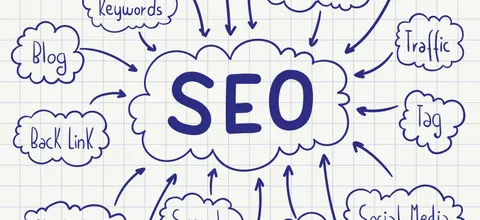
- Traffic generation (SEO, ads, social)
- Product photography
- Shipping logistics
- Email marketing
- Conversion optimization
Without a plan, an online store can sit idle.
With a strategy, it can become a powerful growth channel.
Hybrid Is Often the Smart Move
The most successful store owners today don’t choose physical or online — they combine both.
Examples:
- Buy online, pick up in store (BOPIS)
- Online exclusives
- Pre-orders
- Gift cards
- Subscription options
An online store can complement — not replace — your physical location.
Benefits That Often Surprise Store Owners
Increased Brand Credibility
Even customers who shop in-store often research online first.
Better Customer Data
Email capture and online purchase tracking give insight you don’t get from walk-ins.
Easier Repeat Sales
Email campaigns and retargeting drive repeat purchases automatically.
The Cost Question
Yes, there are costs:
- Platform fees
- Payment processing fees
- Shipping materials
- Marketing budget
- Development (if hiring someone)
But compare that to:
- Additional retail rent
- Hiring more staff
- Expanding physical space
Online expansion is often lower-risk than physical expansion.
Questions to Ask Yourself
Questions to Ask Yourself
Before launching, ask:
- Do my customers already search for products online?
- Can my products ship easily and profitably?
- Do I want to grow beyond my local market?
- Am I ready to invest time or hire support?
If you answer “yes” to most of these — starting an e-commerce store likely makes sense.
Final Verdict: Should You Start One?
For most modern store owners, having some form of e-commerce presence is no longer optional — it’s strategic.
You don’t have to launch a massive, complex online operation.
You can start small:
- Core products only
- Local delivery
- In-store pickup
- Simple online catalog
Then scale as demand grows.
The key is intentional growth — not rushing into tech without a plan.
- Design
- ROI
- Strategy
- Technology
- Transformation
